
Food Basket Program
Food Basket Program
Introduction
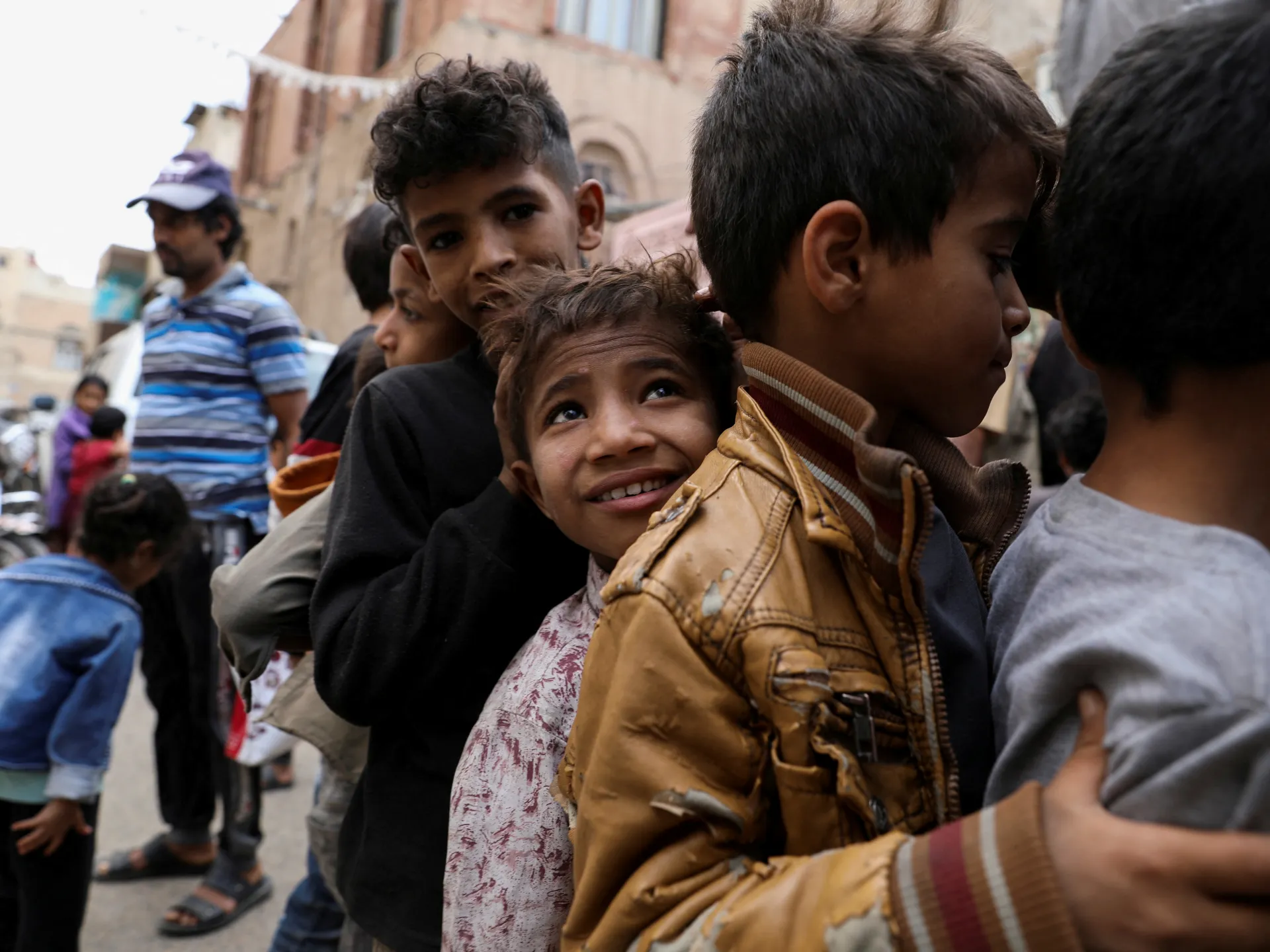
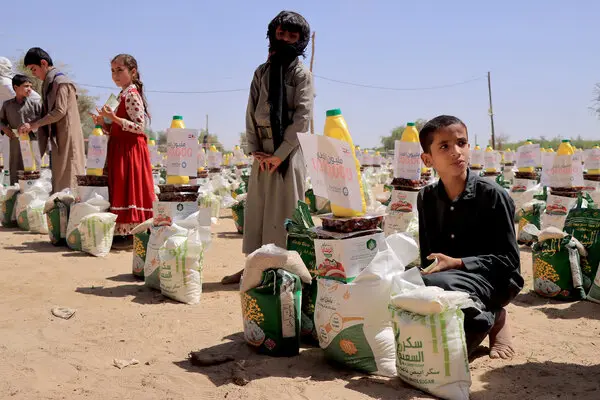
No human being should have to worry about where their next meal will come from, yet thousands of families still suffer from chronic malnutrition. The Food Basket project delivers monthly parcels containing staples like rice, flour, oil, and lentils, ensuring that vulnerable households have a reliable source of sustenance.
Challenge
The primary challenge lies in the rising cost of global food commodities and the logistical difficulty of reaching remote or conflict-affected areas. Additionally, fluctuating supply chains often make it difficult to maintain a consistent variety of nutritious items for large-scale distribution.
"He is not a believer whose stomach is filled while his neighbor goes hungry" Al-Adab Al-Mufrad 112
Problem
Global hunger is on the rise due to a combination of economic instability, climate-related crop failures, and localized conflicts. In many regions, the cost of basic food items has outpaced local wages, leaving families to choose between paying for rent or eating a single meal. This lack of nutrition is particularly devastating for children, leading to stunted growth and cognitive delays that affect their potential for a lifetime.
Potential Solutions
We aim to solve this by creating local procurement networks that reduce transportation costs and support regional farmers. By establishing long-term community food banks and digital tracking for distribution, we can ensure that aid reaches the most marginalized families without waste. Our goal is to transition from emergency relief to sustainable food security through education on urban gardening and community farming initiatives.
Introduction
No human being should have to worry about where their next meal will come from, yet thousands of families still suffer from chronic malnutrition. The Food Basket project delivers monthly parcels containing staples like rice, flour, oil, and lentils, ensuring that vulnerable households have a reliable source of sustenance.
Challenge
The primary challenge lies in the rising cost of global food commodities and the logistical difficulty of reaching remote or conflict-affected areas. Additionally, fluctuating supply chains often make it difficult to maintain a consistent variety of nutritious items for large-scale distribution.
"He is not a believer whose stomach is filled while his neighbor goes hungry" Al-Adab Al-Mufrad 112
Problem
Global hunger is on the rise due to a combination of economic instability, climate-related crop failures, and localized conflicts. In many regions, the cost of basic food items has outpaced local wages, leaving families to choose between paying for rent or eating a single meal. This lack of nutrition is particularly devastating for children, leading to stunted growth and cognitive delays that affect their potential for a lifetime.
Potential Solutions
We aim to solve this by creating local procurement networks that reduce transportation costs and support regional farmers. By establishing long-term community food banks and digital tracking for distribution, we can ensure that aid reaches the most marginalized families without waste. Our goal is to transition from emergency relief to sustainable food security through education on urban gardening and community farming initiatives.
Related Causes
Related Causes

We are building sustainable water infrastructure to provide communities with safe, clean, and reliable access to life’s most basic necessity.
We are building sustainable water infrastructure to provide communities with safe, clean, and reliable access to life’s most basic necessity.
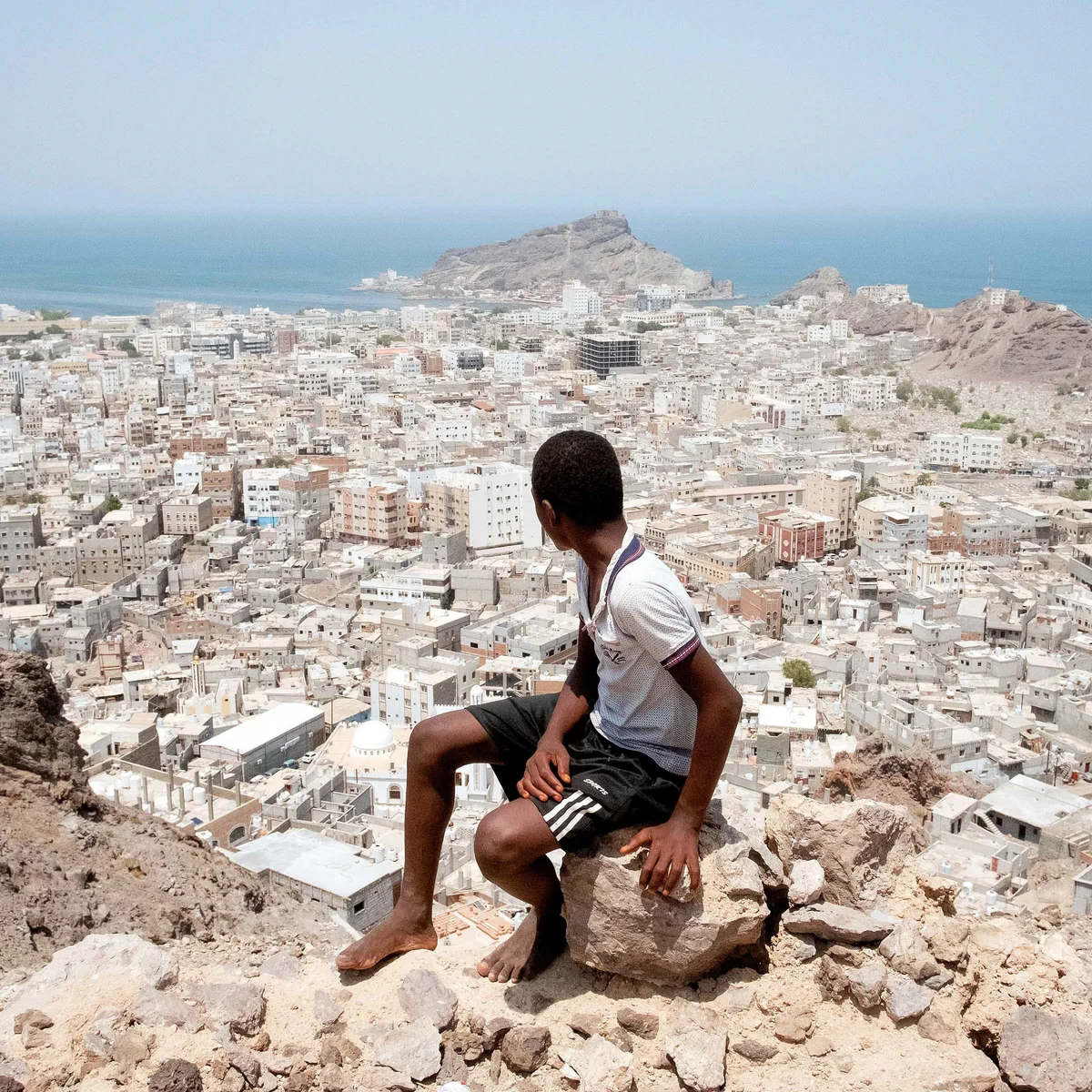
We empower individuals to become self-sufficient by providing them with the tools, training, and small grants needed to start their own businesses.
We empower individuals to become self-sufficient by providing them with the tools, training, and small grants needed to start their own businesses.
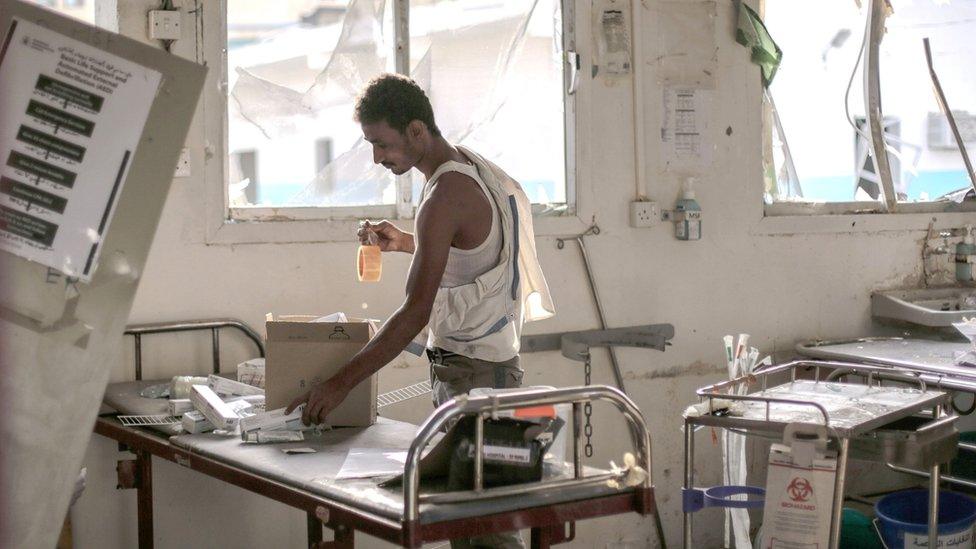
We provide life-saving medical treatment and preventative care to those who cannot afford the high costs of modern medicine.
We provide life-saving medical treatment and preventative care to those who cannot afford the high costs of modern medicine.
We are building sustainable water infrastructure to provide communities with safe, clean, and reliable access to life’s most basic necessity.
We empower individuals to become self-sufficient by providing them with the tools, training, and small grants needed to start their own businesses.