
Livelihood Support
Livelihood Support
Introduction
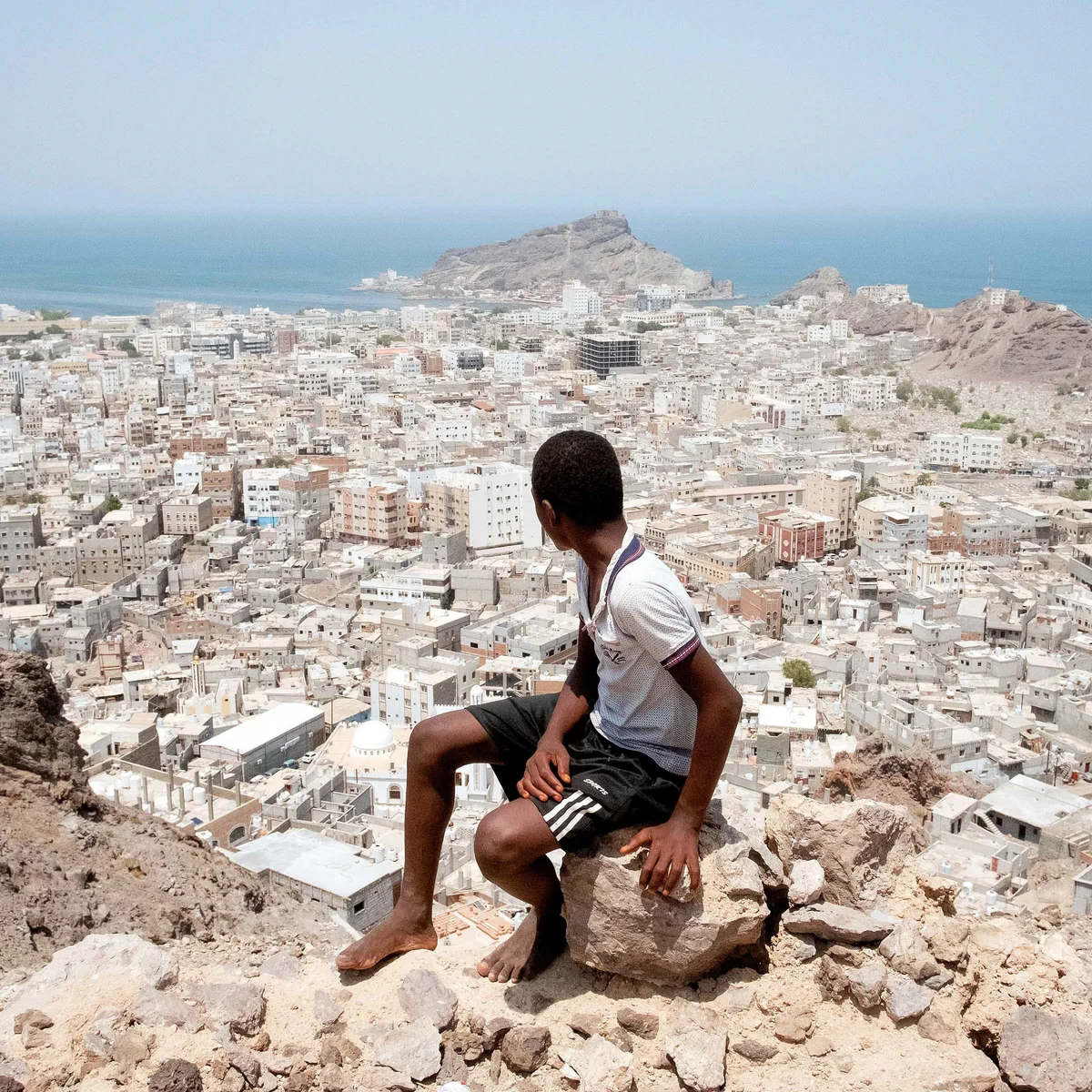
True dignity comes from the ability to provide for oneself and one's family through honest work. Our "Means of Living" project moves beyond temporary aid by gifting sewing machines, rickshaws, livestock, or small shop inventories to hardworking individuals who lack the capital to start their own micro-enterprises.
Challenge
The biggest challenge is ensuring that the recipient has the necessary skills and market access to make their business successful in the long run. Without ongoing mentorship and a stable local market, a new business can easily fail within its first six months.
The Prophet (ﷺ) said: "The most beloved of people to Allah are those who are most beneficial to people." Al-Mu’jam al-Awsat
Problem
Dependency on charity is not a long-term solution to poverty. Many capable individuals are trapped in a cycle of unemployment because they cannot afford the "entry cost" of a trade, such as a toolkit or a small piece of machinery. This lack of capital keeps them in precarious, day-labor jobs that offer no security and no path toward improving their standard of living.
Potential Solutions
Our strategy is to provide "productive assets" rather than cash, which ensures the investment is used specifically for income generation. We pair these assets with basic business management training and vocational coaching. By focusing on sustainable livelihoods, we transform aid recipients into business owners who can eventually hire others in their community, creating a ripple effect of economic growth.
Introduction
True dignity comes from the ability to provide for oneself and one's family through honest work. Our "Means of Living" project moves beyond temporary aid by gifting sewing machines, rickshaws, livestock, or small shop inventories to hardworking individuals who lack the capital to start their own micro-enterprises.
Challenge
The biggest challenge is ensuring that the recipient has the necessary skills and market access to make their business successful in the long run. Without ongoing mentorship and a stable local market, a new business can easily fail within its first six months.
The Prophet (ﷺ) said: "The most beloved of people to Allah are those who are most beneficial to people." Al-Mu’jam al-Awsat
Problem
Dependency on charity is not a long-term solution to poverty. Many capable individuals are trapped in a cycle of unemployment because they cannot afford the "entry cost" of a trade, such as a toolkit or a small piece of machinery. This lack of capital keeps them in precarious, day-labor jobs that offer no security and no path toward improving their standard of living.
Potential Solutions
Our strategy is to provide "productive assets" rather than cash, which ensures the investment is used specifically for income generation. We pair these assets with basic business management training and vocational coaching. By focusing on sustainable livelihoods, we transform aid recipients into business owners who can eventually hire others in their community, creating a ripple effect of economic growth.
Related Causes
Related Causes
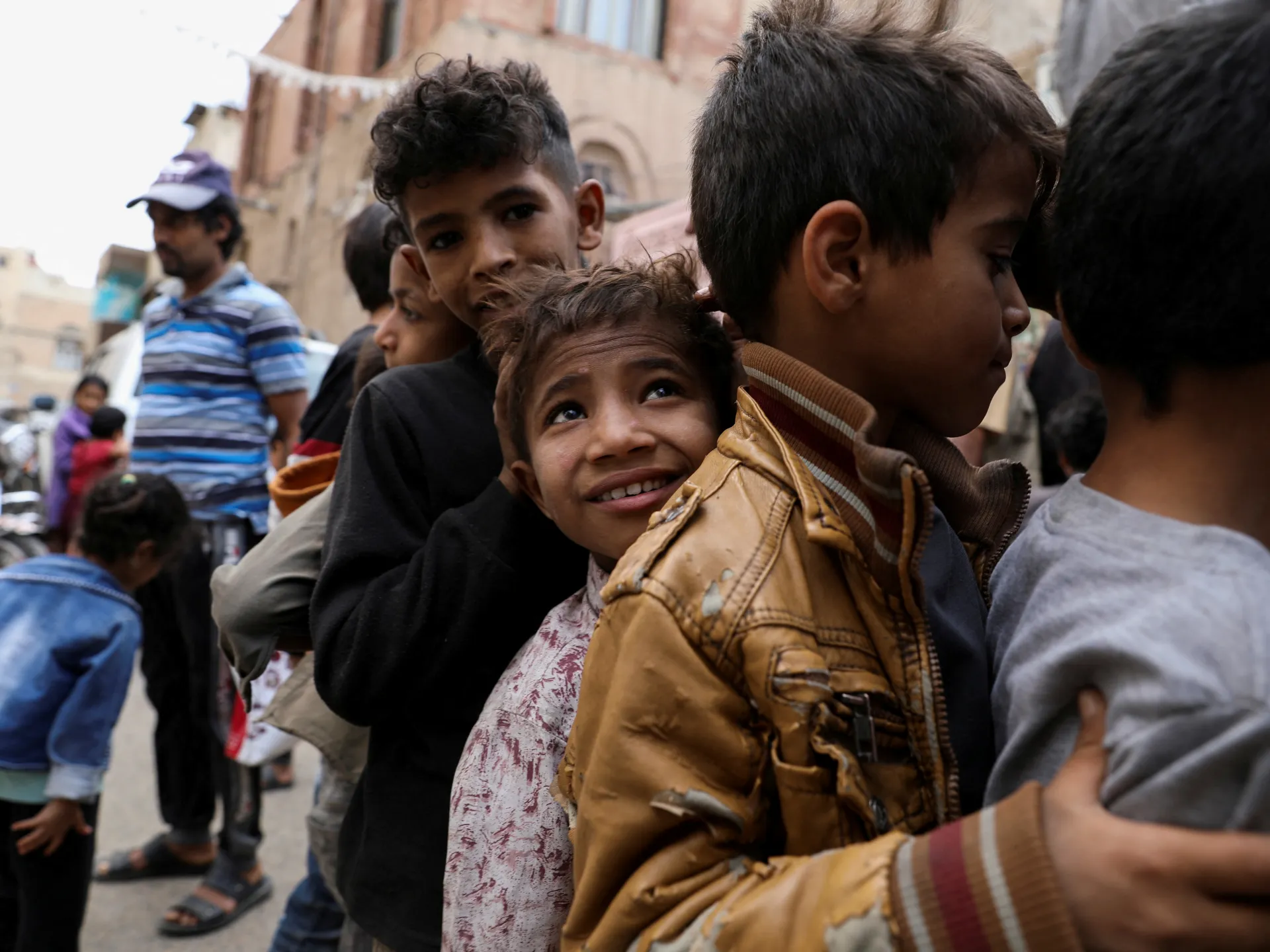
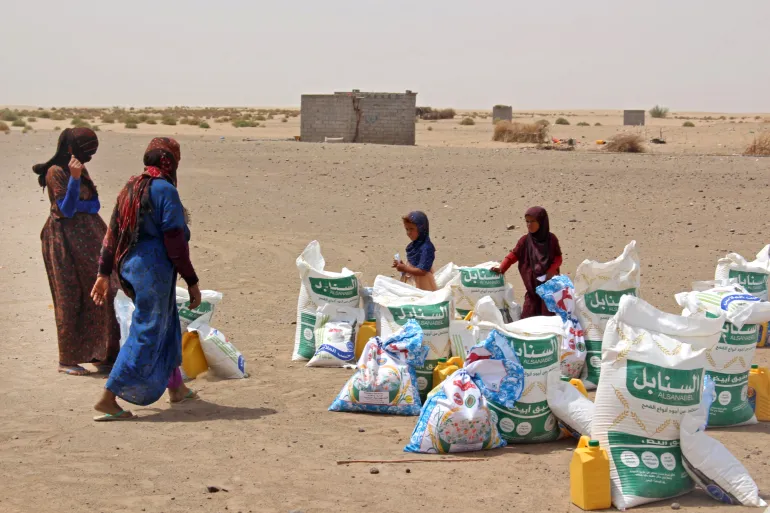
Our Food Basket initiative provides essential nutritional support to families facing extreme food insecurity and hunger.
Our Food Basket initiative provides essential nutritional support to families facing extreme food insecurity and hunger.

We are building sustainable water infrastructure to provide communities with safe, clean, and reliable access to life’s most basic necessity.
We are building sustainable water infrastructure to provide communities with safe, clean, and reliable access to life’s most basic necessity.
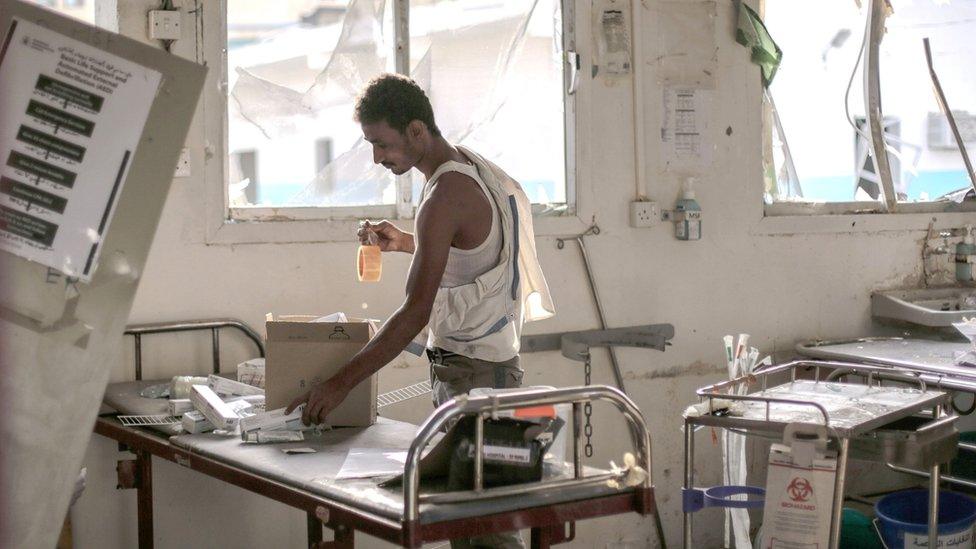
We provide life-saving medical treatment and preventative care to those who cannot afford the high costs of modern medicine.
We provide life-saving medical treatment and preventative care to those who cannot afford the high costs of modern medicine.
Our Food Basket initiative provides essential nutritional support to families facing extreme food insecurity and hunger.
We are building sustainable water infrastructure to provide communities with safe, clean, and reliable access to life’s most basic necessity.