

Zakaah Distribution
Zakaah Distribution
Introduction
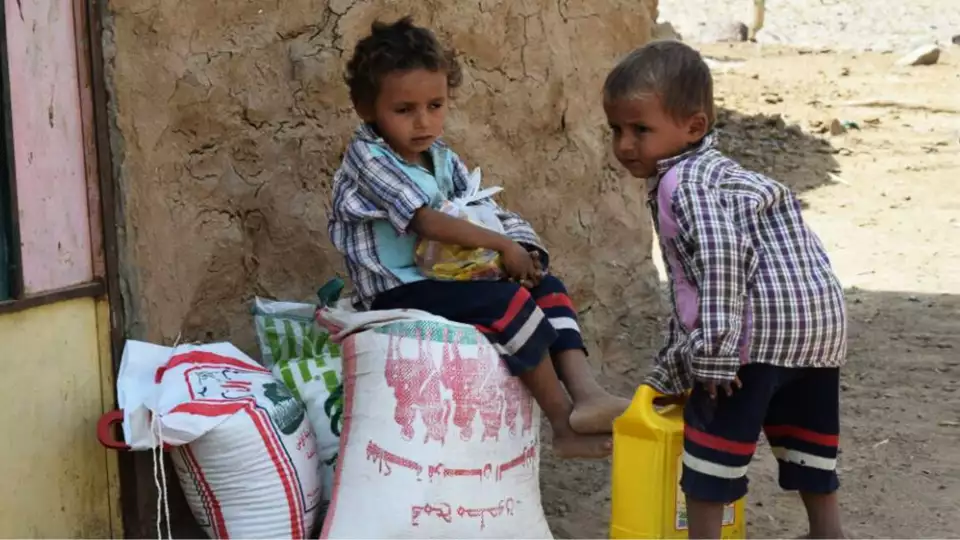
Zakaah is more than just charity; it is a mechanism for social justice designed to redistribute wealth and alleviate the suffering of the poor. We carefully identify eligible recipients, including the destitute, the debt-ridden, and the wayfarer, to ensure your contribution has the maximum possible impact on their lives.
Challenge
The primary difficulty is accurately identifying the "asnaf" (categories of recipients) in complex urban environments where poverty is often hidden. Ensuring that the distribution remains 100% transparent and meets all religious requirements requires constant auditing and local expertise.
The Prophet (ﷺ) said: "Allah has made Zakaah obligatory to purify the wealth of those who give it, and to provide for the poor among them." Al-Tabarani
Problem
Many individuals want to fulfill their Zakaah but struggle to find reliable channels that guarantee the funds go directly to the eligible poor rather than being consumed by high administrative overhead. Without a structured distribution system, wealth remains concentrated, and those in the deepest levels of poverty continue to be overlooked by traditional aid networks.
Potential Solutions
We aim to solve this through a "zero-leakage" policy for Zakaah funds, where every cent is tracked from the donor to the recipient. We use a rigorous social-verification process to identify families in genuine need and provide them with cash transfers or essential supplies that restore their dignity. By aggregating small amounts of Zakaah, we can fund larger projects, like debt relief or small business grants, that permanently lift families out of poverty.
Introduction
Zakaah is more than just charity; it is a mechanism for social justice designed to redistribute wealth and alleviate the suffering of the poor. We carefully identify eligible recipients, including the destitute, the debt-ridden, and the wayfarer, to ensure your contribution has the maximum possible impact on their lives.
Challenge
The primary difficulty is accurately identifying the "asnaf" (categories of recipients) in complex urban environments where poverty is often hidden. Ensuring that the distribution remains 100% transparent and meets all religious requirements requires constant auditing and local expertise.
The Prophet (ﷺ) said: "Allah has made Zakaah obligatory to purify the wealth of those who give it, and to provide for the poor among them." Al-Tabarani
Problem
Many individuals want to fulfill their Zakaah but struggle to find reliable channels that guarantee the funds go directly to the eligible poor rather than being consumed by high administrative overhead. Without a structured distribution system, wealth remains concentrated, and those in the deepest levels of poverty continue to be overlooked by traditional aid networks.
Potential Solutions
We aim to solve this through a "zero-leakage" policy for Zakaah funds, where every cent is tracked from the donor to the recipient. We use a rigorous social-verification process to identify families in genuine need and provide them with cash transfers or essential supplies that restore their dignity. By aggregating small amounts of Zakaah, we can fund larger projects, like debt relief or small business grants, that permanently lift families out of poverty.
Related Causes
Related Causes
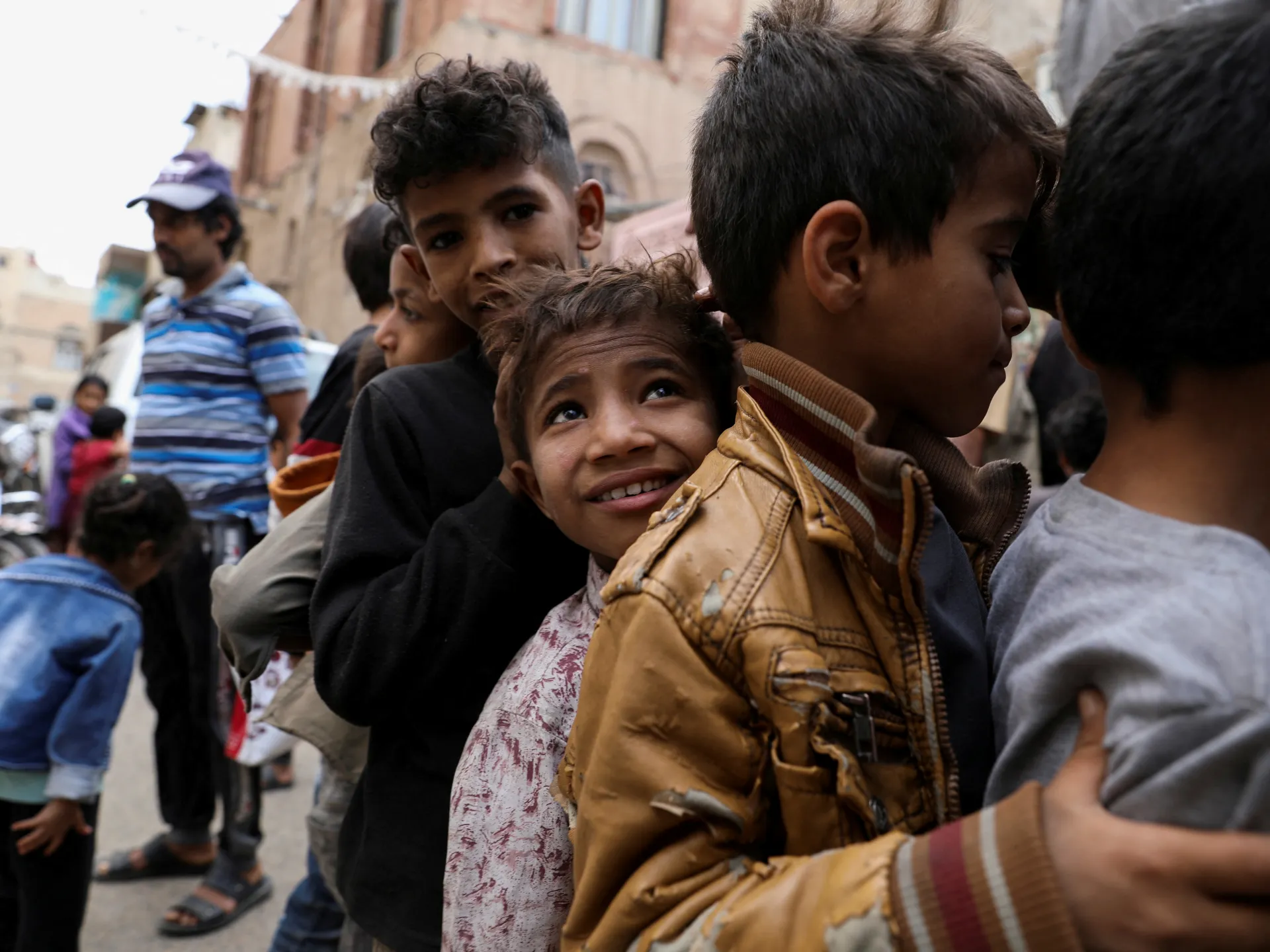
Our Food Basket initiative provides essential nutritional support to families facing extreme food insecurity and hunger.
Our Food Basket initiative provides essential nutritional support to families facing extreme food insecurity and hunger.

We are building sustainable water infrastructure to provide communities with safe, clean, and reliable access to life’s most basic necessity.
We are building sustainable water infrastructure to provide communities with safe, clean, and reliable access to life’s most basic necessity.
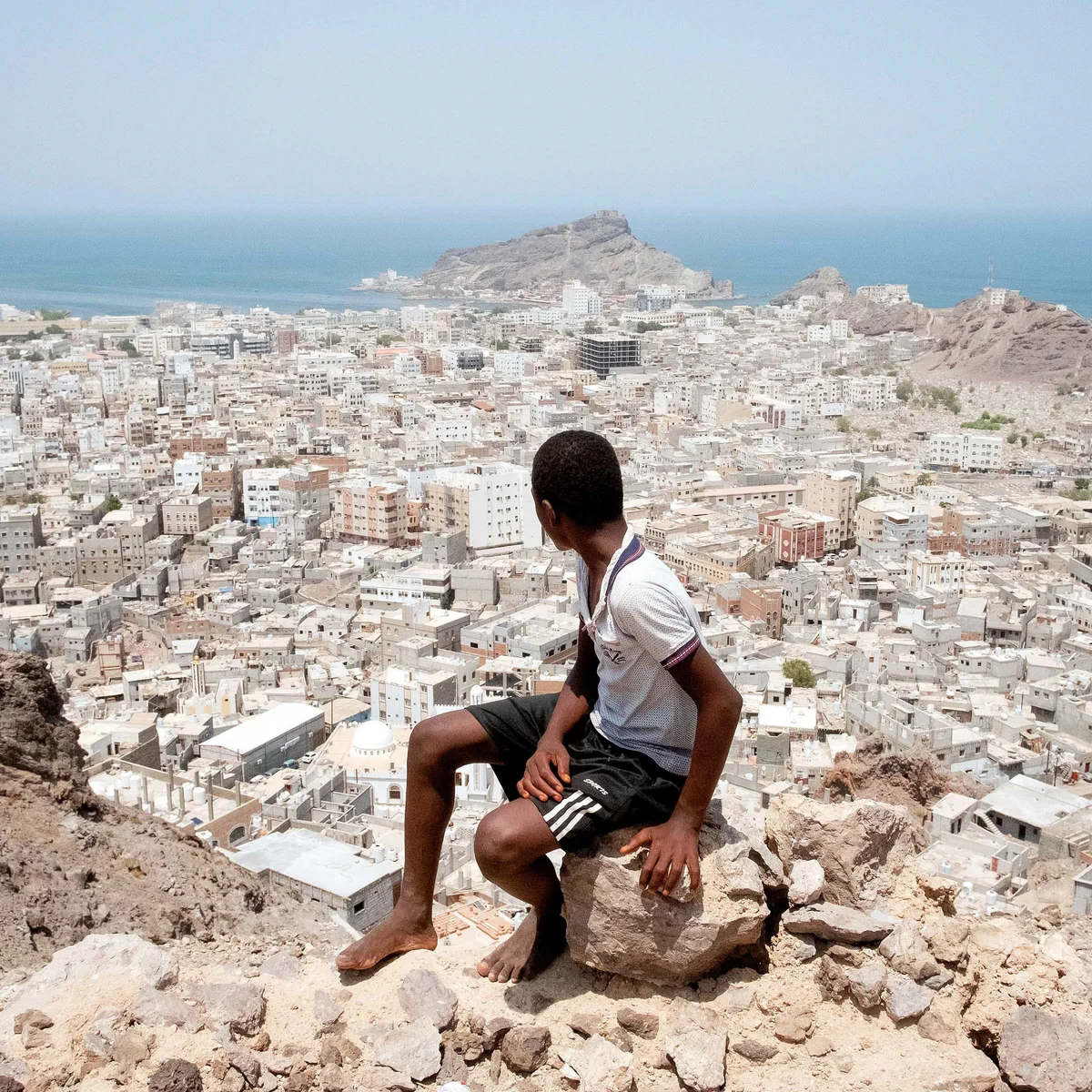
We empower individuals to become self-sufficient by providing them with the tools, training, and small grants needed to start their own businesses.
We empower individuals to become self-sufficient by providing them with the tools, training, and small grants needed to start their own businesses.
Our Food Basket initiative provides essential nutritional support to families facing extreme food insecurity and hunger.
We are building sustainable water infrastructure to provide communities with safe, clean, and reliable access to life’s most basic necessity.